
Winter is Here
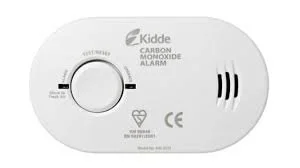
Please remeber to test your Carbon Monoxide (CO) alarms and change the batteries. Co alarms must be replaced every 10 years, with your smoke detecors!
Fire Prevention
Wood Burning Appliances
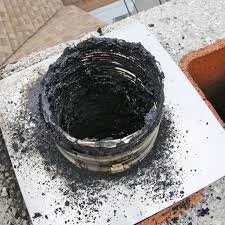
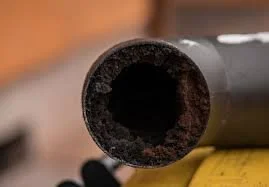
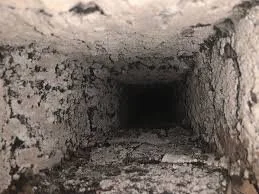
During wood burning season soot and creosote can quickly build up leading to a possible chimney fire. At minimum, an annual chimney cleaning and inspection by a qualified person is needed to reduce the fire hazard. You might need to clean and inspect your chimney more often based on your wood burning practices. Cleaning will also ensure nests and other animals are not blocking the flue.
Why should I care about creosote? Simple explanation, your home could burn down because of it. Chimneys are designed to withstand heat; however, creosote can burn at extremely high temperatures of 2000°F/1100°C. This is close to the highest recorded temperature of lava. This extreme temperature can compromise a chimney. When this occurs heat and flames can spread into the walls and ceiling of your home, creating unseen fires that burn unchecked. Creosote may appear as a soft and flaky soot or a hard, shiny substance that clings to surfaces like tar.
Here are several tell-tale signs that your chimney or fireplace needs cleaning or inspection:
You detect the smell of burned wood coming from the fireplace even when it isn't lit.
When you light a fire in your fireplace, it doesn't burn as well as it once did.
It's more difficult to get a fire started. Your chimney is clogged, and airflow is restricted.
Even with the flue open, smoke from the fireplace waifs through the room.
A black fireplace damper. This can indicate creosote buildup.
You notice oily spots on your fireplace's walls, a sign that creosote is present.
There's evidence of animals. Birds and squirrels can nest in the chimney and block the flue.
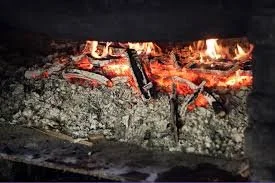
Safe Disposal of Ashes:
Follow these tips to prevent your ashes from causing unwanted fire damage:
Allow ashes to cool for 24 hours prior to removal.
Store ashes in a fire safe metal container with a tight-fitting metal lid.
Do not use a cardboard box or plastic container.
Place ashes outside, minimum 10ft away from anything that can burn.
Leave ashes in the container for 1 week.
When ashes are completely cool and not a hazard, they can be disposed of.
Consider a "two" ash container rotation.